
cbdforbackpain.org is an educational resource that reviews research on CBD and back pain relief. We explain what CBD is (and isn’t), summarize current evidence, and cover common causes of back pain so you can have a better conversation with your clinician. This site does not provide medical advice.

What Is CBD?
Cannabidiol (CBD) is a compound found in the cannabis plant. Unlike THC, CBD does not cause the “high” people associate with cannabis. Products on the market include oils/tinctures, capsules, gummies, and topicals. Quality and composition vary widely across brands, and U.S. regulators continue to evaluate safety, quality, and claims made for CBD products.
What CBD Isn’t
- CBD is not an FDA-approved treatment for back pain. (The only FDA-approved CBD drug is Epidiolex for certain seizure disorders.)
- CBD isn’t a cure-all. Evidence for pain conditions, including back pain, is still evolving and mixed.
- CBD products aren’t all the same—labels may not reflect actual contents or strength. Look for third-party lab testing (COAs). Regulators have issued warnings about improper claims and labeling.
Can CBD Help With Back Pain?
Research on cannabinoids and pain suggests some people report short-term pain relief—especially with products that include THC—with common side effects like dizziness or sleepiness. Evidence specific to CBD-only products for chronic back pain is limited, and more rigorous trials are needed. If you decide to try CBD, do it with a clinician’s guidance and monitor effects and side effects.
Safety & Interactions
- Possible side effects: fatigue/drowsiness, gastrointestinal upset, and (with some products) changes in liver enzymes; cannabinoids can interact with medications
- Start low and go slow (if your clinician agrees). Avoid driving or hazardous tasks until you know how you RESPOND.
- Legal status varies by state and product type; federal regulators continue to review how CBD products are marketed and sold.
What Can Cause Back Pain?
Back pain is extremely common worldwide and has many causes. Common contributors include muscle or ligament strain, disc problems, arthritis, spinal stenosis, osteoporosis-related fractures, and—less often—conditions such as infection or cancer. Lifestyle and job demands also matter (heavy lifting, long periods of sitting, smoking, low activity, stress).
When to Seek Medical Care
- New back pain with red-flag symptoms (fever, unexplained weight loss, significant weakness/numbness, trouble controlling bladder/bowel, history of cancer, serious trauma).
- Pain that is severe, worsening, or lasts longer than a few weeks.
Evidence-Based Care Is Multimodal
Treatment plans often combine activity and exercise, education, short-term symptom relief, and (when needed) targeted medical care. CBD—if used—should be considered as one optional component discussed with your clinician, not a replacement for medical evaluation or rehabilitation.
Thinking About Trying CBD? A Quick Checklist
- Talk to your clinician (and pharmacist) about your symptoms and meds.
- Choose reputable products with third-party testing (COA) and clear labeling. We love Quiet Monk CBD.
- Start with topical or low-dose oral forms if advised; track pain, function, and side effects in a simple diary.
- Pair with proven strategies (movement, posture/ergonomics, sleep, stress management) tailored by a professional.
Important: Information on this site is for educational purposes only and is not a substitute for professional medical advice, diagnosis, or treatment. Always talk with your healthcare professional about any questions you have and before starting or stopping any treatment, including CBD.
Last updated: August 15, 2025
- Why Herbal Wellness Is Becoming Popular
 More people are turning to herbs before prescriptions these days. They’re sick of paying more for meds that leave them feeling worse, not better. Side effects pile up. Costs climb. And when you look at the research coming out, turmeric and ashwagandha aren’t just old wives’ tales anymore-they’re showing real promise for long-term health support. This shift feels bigger than a trend. Clinical trials keep stacking up in herbs’ favor. People want to avoid problems instead of waiting to fix them. Plus the information’s everywhere now, so anyone can figure out what might work for their own situation without waiting for a doctor’s note.
Holistic Health Shift

The global wellness economy hit $5.6 trillion back in 2022. My inbox has been the real proof-people writing in because they want to talk about their chronic stress before it lands them at the pharmacy.
Wellness voices grew louder fast. Dr. Mark Hyman didn’t just mention adaptogens like ashwagandha and rhodiola-he put them at the center of daily resilience. Not abstract advice. Practical tools for keeping cortisol from running the show.
Dr. Will Cole followed the same thread with plant-based protocols. Turmeric and other botanicals moved from “nice to have” to early immune support. His readers started bringing up TCM roots at their check-ups right alongside standard lab work.
Both made prevention feel doable. Sip matcha, grate ginger into dinner, and suddenly the conversation shifts from “what’s wrong” to “what keeps things steady.”
Preventive Care Focus
Six in ten adults carry a chronic disease, per the CDC. That’s a $3.7 trillion yearly bill. Preventive steps-meditation, herbs, better routines-can trim 25-30% off that load. The math sits behind every herbal tea trend you see now.
Meditation is the simplest entry point. Ten quiet minutes before the day kicks off. Within weeks, stress hormone numbers start to move.
Next comes turmeric, or its active piece, curcumin. It works on the low-grade inflammation that piles up from bad sleep and worse food. Add black pepper to boost absorption, or just cook with the fresh root-the effect stacks either way.
Sleep hygiene closes the loop. Same bedtime, screens off early, and maybe a cup of chamomile or lavender before lights out. Nothing fancy-just letting melatonin do its job without an extra pill.
Scientific Validation
NIH money for complementary medicine research jumped from $300 million in 2015 to $634 million in 2022. Most of that went toward trials involving ashwagandha, curcumin, and rhodiola. Money like that usually signals where the field thinks the next answers will come from.
One trial in the Journal of Clinical Medicine put sixty people on daily ashwagandha for sixty days straight. Average cortisol fell 23 percent. That’s a number you can see on a lab report, not just feel subjectively.
Curcumin at 2000 milligrams daily matched ibuprofen’s pain relief for people with osteoarthritis, according to Phytotherapy Research. It works through different pathways, but the end result for comfort looked about the same.
Researchers in Norway tested rhodiola rosea and recorded 30 percent less fatigue compared to placebo. Separately, reishi mushroom showed immune marker improvements in 120 participants tracked for the International Journal of Medicinal Mushrooms. And ginseng at 200 milligrams daily raised cognitive test scores in studies published by the Journal of Ginseng Research.
Clinical Research Growth
PubMed added 847 new herbal medicine papers in 2023, up from 312 in 2018. Echinacea, valerian, and melatonin led the pack. Three plants showing that kind of sustained interest signal something worth watching.
Echinacea has over 200 studies since 2020 now, mostly about immune support for upper respiratory issues. University and private labs both keep running dosage trials and getting similar results.
Valerian has more than 150 trials focused on sleep quality, testing doses between 300 and 600 milligrams for different sleep problems. European sleep centers and North American research groups both look at optimal evening timing.
Melatonin research has moved past basic sleep studies into anti-inflammatory effects across more than 400 papers. The hormone seems to touch multiple body systems, not just the sleep pathway it started with.
Chronic Disease Rise
Autoimmune diseases have climbed 3-9% every year since 1980. Fifty million Americans carry one now, and the annual price tag sits above $100 billion. No surprise people are hunting for other ways to handle these conditions when standard drugs often leave them feeling stuck.
Take type 2 diabetes. CDC numbers show adult rates rising from 11.3% in 2000 to 14.7% in 2020. Curcumin from turmeric has caught researchers’ attention because it seems to nudge blood sugar toward steadier ground by cooling down inflammation, though the effect is modest.
Medication alone rarely fixes everything. Side effects stack up, and some people simply want options they can reach for daily without added hassle. That’s where plant-based approaches slip into the conversation for glucose management.
IBS shows up in roughly 10-15% of people and runs up an annual bill near $30 billion, according to AGA data. Time and again, study after study singles out peppermint oil for cutting down belly pain, and a fair number of users report feeling better within a couple of weeks.
Chronic fatigue syndrome touches about 2.5 million Americans, the IOM reports. Ashwagandha and rhodiola, both adaptogens, appear to help the body ride out physical stress without the jittery high and crash you’d expect from caffeine.
Pharmaceutical Concerns
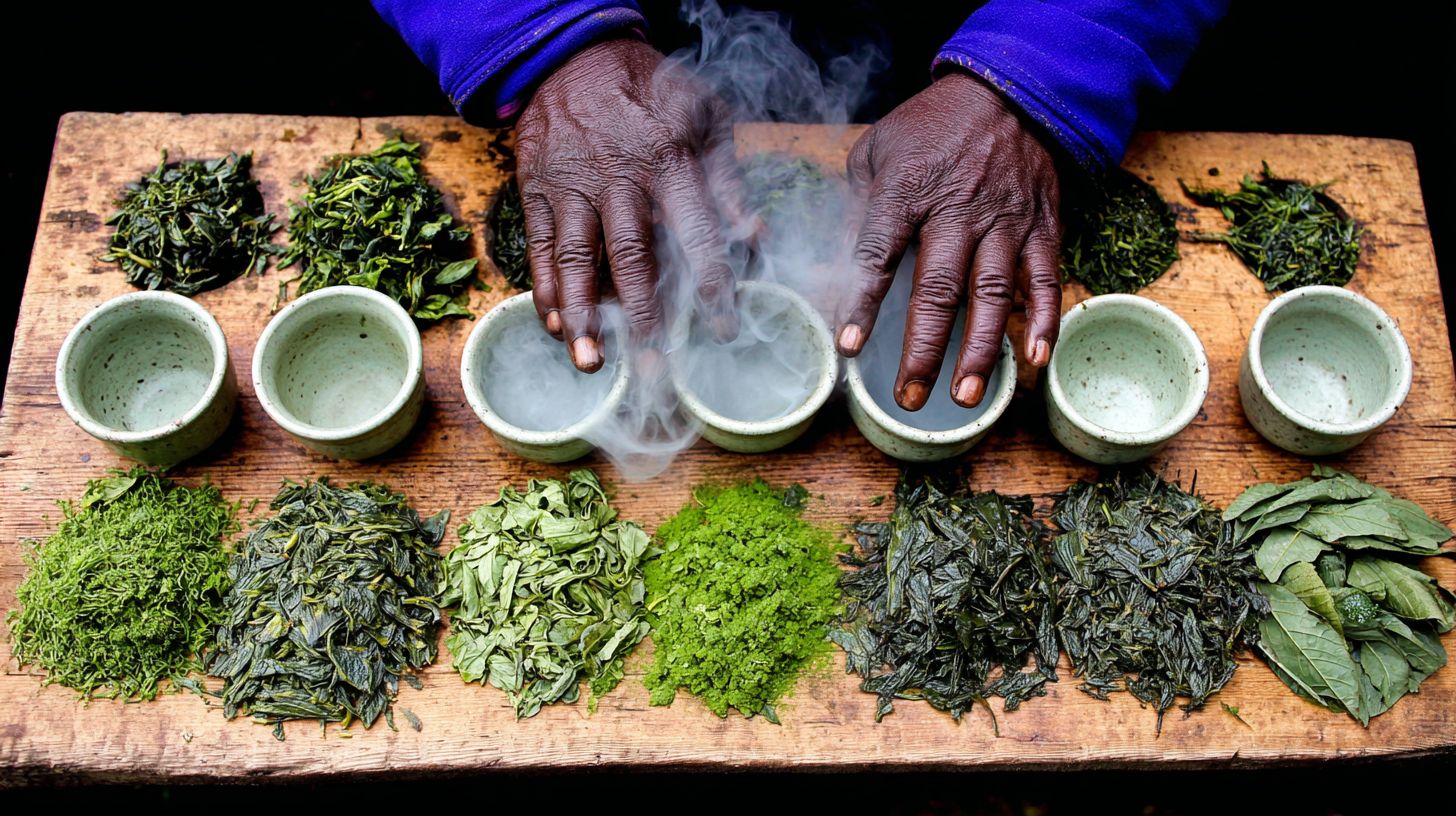
Prescription drug spending hit $577 billion in 2022. FDA stats show adverse reactions landed 1.5 million people in emergency rooms that same year. The numbers start to make you wonder how much relief you’re really getting for the money.
Statins get handed out to 92 million Americans every year. The problem is ten to fifteen percent of those folks wind up with muscle pain or weakness that actually changes their routines. Then the costs keep climbing because the side effects force new treatment plans down the road.
Acid reflux drugs pull in $14 billion a year. Studies keep linking longer use to a 2.5 times greater chance of dementia. So people with plain old heartburn suddenly have to weigh that against possible brain effects later on.
Sleep meds bring in $2.8 billion yearly, but dependence kicks in for over forty percent of patients who take them past six months. What begins as a short fix starts looking permanent before you even notice.
Side Effect Awareness
The FDA logged 2.2 million adverse event reports in 2022. Twelve percent traced back to drug-herb interactions, the kind people bump into when they try mixing their prescriptions with natural products.
NSAIDs send ten thousand people to the hospital every year from stomach bleeding. Ginger and turmeric blends, though, cut pain by sixty-five percent in the trials without touching your stomach. A few family stories about complications from the prescription route and suddenly the kitchen cabinet feels safer.
Antihistamines leave about twenty-three percent of regular users groggy when they need to work. Peppermint and rosemary oils used in aromatherapy dropped symptoms by forty percent in controlled testing. The difference feels obvious when you care more about staying alert than about sticking to the standard pill.
Sexual side effects hit thirty to seventy percent of people on antidepressants. Ashwagandha and rhodiola touch mood another way and skip those particular issues, which is why some patients say they finally feel more like themselves after adding the herbs.
Antibiotic resistance accounted for 2.8 million serious infections last year in the US alone. That number alone pushes folks toward immune herbs like echinacea or ginseng instead of reaching for pills at the first cough. Staying ahead of the illness beats chasing it once you’re already down.
Consumer Empowerment
Seventy-four percent of people Google their symptoms before they ever book a doctor’s appointment. That behavior has pushed functional beverage sales to $58 billion, because folks now scan labels instead of grabbing whatever’s cheapest.
And they’re getting better at it.
Take Dr. Josh Axe. His videos on adaptogens reach millions, and listeners often end up trying his ashwagandha timing for stress rather than running to the pharmacy. They learn why rhodiola mid-afternoon beats reishi before bed for their own energy crashes.
One expert isn’t enough, though. Regular buyers pushed the USDA to certify more products, and that slice now grows 8.5 percent a year. Shoppers started demanding real numbers-actual curcumin percentages in turmeric, clear growing regions for echinacea-because marketing hype wasn’t cutting it anymore.
Drinks are following the same path. Plant-based options climb 14 percent yearly, driven by people who want prebiotics without stevia or artificial colors. You’ll see ginger shots squeezed on site next to lemon, or matcha stirred into raw kombucha instead of syrups.
Once you start checking labels, a few habits stick. Whole-plant names matter more than fancy extract ratios. Non-GMO and vegan seals save time. And if an ingredient list says “proprietary blend,” you move on.
Digital Information Access
Health-related Google searches are up 150% since 2019. That’s 7.3 billion wellness queries every month, all pushing people toward real data on natural remedies instead of marketing claims. They type questions about chronic stress, adaptogens, and gut health right on their phones at 2 a.m., then wake up and act on whatever they found.
TikTok is where a lot of this starts. Content on TCM herbs and Ayurvedic adaptogens pulls in billions of views. Someone watches a 30-second clip about ashwagandha dropping cortisol, saves it, then hunts for the actual herb in the store later that day. The video becomes the purchase decision.
At the other end, PubMed Central sees six million visitors a month looking for something beyond influencer advice. They pull peer-reviewed studies on turmeric’s curcumin levels and how different polyphenols change inflammatory markers. The habit now is to check the research before the product lands in the cart.
Then there’s Dr. Will Cole and similar voices. Hundreds of thousands of people read his supplement breakdowns each month, complete with lab markers, sleep tweaks, and actual stress-reduction steps. Viewers screenshot the lists and hand them to their doctors or take them straight to the aisle.
Personalization Trend
Direct-to-consumer genetic testing hit 26 million users by 2023. That explosion opened the door to personalized supplement plans that stick better than the one-size-fits-all stuff.
Most people quit generic advice because it never feels quite right. Your neighbor can handle a certain plant extract just fine while the same dose leaves you queasy.
Microbiome testing maps the bacteria living in your gut. Labs run through thousands of species, then build a prebiotic and probiotic mix that actually lines up with what your system is missing. The finished blend shows up at your door a couple weeks later.
DNA reports from outfits like Vitagene flag how efficiently you handle specific B vitamins. If your markers point to slower processing, the protocol shifts the food sources or tweaks the time of day you take certain herbs.
Cortisol rhythm tests track your stress hormone across a full day. That curve tells you whether rhodiola or ashwagandha will hit harder at 8 a.m. or at 6 p.m., cutting side effects along the way.
Individualized Protocols

A 2023 Stanford study found that matching meditation style to the individual cut stress markers 34% more than the usual 10-minute daily routine.
Look at your own cortisol curve before you reach for rhodiola. Morning people often do better with it early; night owls can save it for when their natural energy slumps.
The research on chronotypes shows timing matters for habit formation. Night owls stay consistent with evening sessions, early risers see the payoff from morning practice.
Ashwagandha cycling should track real stress levels, not a calendar. Rough weeks can mean daily use; calmer stretches let you skip days once the biomarkers say you’re steady.
Oura Ring numbers can guide sleep aids. Some users reach for valerian or magnesium two hours before bed while others get better results from lavender or chamomile an hour later.
Cost-Effectiveness
That $150 average yearly spend on supplements per person is supposed to save you $2,400 in healthcare costs, at least according to the Council for Responsible Nutrition’s 2022 analysis.
Run the numbers. Ashwagandha runs fifty cents a day. That’s $182 a year. Two therapy sessions can easily hit three hundred dollars before insurance gets involved.
Stress that won’t quit makes that difference feel real fast.
Same story with joints. Turmeric or straight-up curcumin runs about seventy-five cents a day-roughly two hundred seventy dollars over twelve months. Monthly prescriptions for anti-inflammatories, by contrast, can top two hundred dollars even before insurance.
A consistent botanical habit wins out, especially if your plan only partially covers the drug option.
Sleep is another spot where the gap shows. Melatonin at ten cents a night lands around thirty-six dollars in a year. Monthly prescription sleep meds averaging forty-five dollars can climb past five hundred forty dollars annually, and that gap widens over several years.
Insurance rarely covers supplements. But you can sometimes pay with HSA or FSA dollars if the product qualifies.
Most people who actually track their costs are surprised by how quickly the savings add up over time.
Sustainability Appeal
Regenerative farming for medicinal herbs has shot up 340% since 2018. What started in tight-knit operations is now spreading across bigger commercial fields too. The driver? Shoppers. In 67% of supplement purchases the decision hinges on where the plants came from and how they were grown.
Take organic ashwagandha. It uses a third less water than the usual fields you see. The Rodale Institute put controlled plots side by side across several seasons and the numbers held: yields stayed strong while irrigation bills dropped. That savings shows up in the price tag too-buyers keep proving they’ll cover the difference.
Plant-based capsules have crept up to nearly half of everything on the shelf. Skip the animal gelatin and you cut out a whole layer of waste and resource use. Some brands print the change right on the front of the bottle so you spot it before the price tag.
Non-GMO verification now covers most of the fresh herbal formulas landing in stores. The paperwork runs anywhere from a few hundred dollars to a few thousand, depending on how big the lot is and how detailed the tests need to be. Companies pay it anyway, because customers tack on an extra 15 to 20 percent for anything stamped and confirmed. Put two identical bottles side by side and the label seals the deal.
Frequently Asked Questions
What factors are driving more people toward natural health solutions?
People keep asking why so many folks are ditching their prescription bottles for herbs, and it usually comes down to one big thing. They want something that won’t knock them sideways with side effects.
How are online communities shaping interest in herbal practices?

Scroll through any wellness forum and you’ll see the same pattern. Someone posts a simple tea recipe, someone else chimes in with “this knocked out my nightly cramps,” and suddenly fifty people are buying ginger root at the grocery store. That’s how interest spreads now.
In what ways does environmental awareness boost herbal wellness?
Here’s the thing about the eco angle. When your chamomile comes from a backyard plot instead of a chemical-coated farm halfway across the world, it feels right. And people are discovering they like that feeling. More than they like the whole plastic-bottle routine.
Can scientific research validate the appeal of herbal approaches?
Look at the actual studies. Ginger calms nausea. Ashwagandha lowers cortisol. Nothing revolutionary there, but the research keeps trickling in and people notice. It’s easier to stick with something when there’s data behind it instead of just marketing copy.
Why might herbal options appeal more than conventional supplements?
Cost plays a bigger role than most admit. A decent bottle of turmeric costs what a single fancy multivitamin does, and that same turmeric probably works better for inflammation anyway. Plus you skip the filler powders and mystery binders that show up in half the vitamin aisle.
How do cultural traditions influence modern herbal trends?
It’s funny watching Ayurveda and Traditional Chinese Medicine pop up in the same Instagram feeds that used to push cleanses. Skeptics can roll their eyes, but these systems stuck around for centuries for a reason. People are figuring that out and giving the old methods a try.
References
- How Hemp-Derived Topicals Are Becoming Part of Modern Wellness

Hemp has become associated with far more than textiles and sustainable agriculture. Since the expansion of the legal hemp industry, consumers have encountered hemp-derived ingredients in foods, skincare products and an increasingly diverse range of wellness products.
CBD topicals are one example.
Creams, balms, salves and gels allow consumers to apply cannabinoid-containing formulations to specific areas rather than consuming CBD orally. That has led manufacturers to experiment with different concentrations, botanical ingredients and warming or cooling formulations.
Interest has also developed around CBD topicals and nerve-related discomfort, although the science remains far from settled.
For people interested in understanding the subject rather than simply reading product claims, this overview of current CBD topical research examines both a small human trial involving peripheral neuropathy and some of the unanswered questions surrounding topical CBD.
This distinction between emerging research and established medical evidence is important as CBD becomes increasingly mainstream.
A sustainable hemp industry isn’t simply about growing an environmentally versatile crop. It also requires responsible manufacturing, transparent labeling and realistic communication about what hemp-derived products can and cannot do.
- Every Dad Knows the Feeling: Waking Up With a Stiff Back

The alarm rings. You roll over, plant your feet on the floor, and suddenly your lower back reminds you that yesterday’s yard work, long drive, or afternoon of playing with the kids wasn’t completely forgotten.
For many dads, the first few minutes of the morning can feel like the hardest part of the day. Standing up straight takes a moment, bending over to put on socks feels awkward, and even reaching for the coffee pot can make those tight muscles complain.
The good news is that more fathers are learning that morning back pain isn’t simply something they have to accept. A few healthy habits can go a long way toward helping them wake up feeling better.
They Don’t Rush Out of Bed
Many dads have discovered that taking just a minute or two before jumping into the day helps reduce stiffness.
Instead of immediately bending over or twisting, they stretch their legs, gently rotate their hips, and slowly stand up. Giving the body a chance to wake up often makes those first few steps much more comfortable.
They Move More During the Day
Modern life keeps many fathers sitting for hours—whether it’s behind a computer, in a truck, or commuting to work.
Rather than staying in one position all day, many now make it a habit to get up every hour, walk around the office, stretch their hamstrings, or simply move for a few minutes. Those short breaks help prevent muscles from tightening and placing extra stress on the lower back.
They Strengthen the Muscles That Protect Their Spine
Back pain isn’t always caused by the back itself.
Weak abdominal muscles, tight hips, and underused glutes often force the lower back to do more work than it should. That’s why many dads have added simple exercises like planks, bridges, bodyweight squats, and bird dogs to their weekly routine.
These exercises don’t require expensive gym memberships, but they can improve stability and reduce strain during everyday activities.
They Pay More Attention to Sleep
After years of sleeping on an aging mattress, many people realize their bed may be contributing to their morning stiffness.
Sleeping with proper support, replacing worn mattresses when necessary, and using pillows to keep the spine aligned can make waking up much more comfortable. Small adjustments at night often pay off the next morning.
Recovery Has Become Part of the Routine
Instead of waiting until pain becomes severe, many dads now spend a few minutes each evening taking care of their bodies.
Gentle stretching, a heating pad, a short walk after dinner, or using a foam roller can help loosen tight muscles before bedtime. Those recovery habits often make the next morning noticeably easier.
There are also plenty of practical ideas for managing everyday soreness and staying active. This article on Simple Ways to Ease Everyday Aches and Pains shares several strategies that many people use to stay comfortable throughout the week: https://timebusinessnews.com/simple-ways-to-feel-better-when-your-back-hurts/
A Better Morning Starts the Night Before
Getting older doesn’t have to mean accepting daily back pain as part of life. While occasional stiffness is common, many dads are proving that consistent movement, better sleep habits, regular stretching, and strengthening exercises can make a real difference.
After all, mornings are a lot more enjoyable when the first challenge of the day isn’t simply standing up.
- Quiet Monk CBD Coupons: Save Money While Easing Back Pain

Save More With Quiet Monk CBD Coupons
CBD products can get expensive, especially when you’re looking for high-potency creams strong enough to actually work. That’s where Quiet Monk CBD coupons save more and come in handy. Customers regularly save with discounts like:
- VIP10 – $10 off any order
- Seasonal or rotating codes for 5–15% off
These codes make it easier to afford premium CBD creams without sacrificing quality. Quiet Monk’s customers often say the savings allow them to keep their favorite pain cream stocked at home instead of stretching out a bottle too long.
How Quiet Monk CBD Helps With Back Pain
Back pain is one of the most common reasons people turn to CBD topicals—and Quiet Monk has become a go-to brand for relief. Here’s why:
1. Targeted Relief Where It Hurts Most
Instead of swallowing a pill, CBD cream is applied directly to sore muscles, stiff joints, or tender areas in the lower back. The CBD absorbs into the skin and goes to work on local inflammation.
2. High Potency That Works
Quiet Monk’s formulas are stronger than most brands—ranging from 4,000 mg to 20,000 mg per jar. For people with stubborn back pain, the difference in strength is noticeable. Many customers report that regular drugstore creams can’t compare to the level of relief.
3. Clean Ingredients for Daily Use
The creams are made with broad-spectrum CBD plus botanical helpers like Arnica, Aloe, and MCT oil. They’re non-greasy, fast-absorbing, and can be used morning or night without leaving residue.
Real Experiences From Users

What is CBD? Many Quiet Monk CBD customers share similar stories:
- Chronic back pain sufferers often say the cream helps them cut back on over-the-counter pain relievers.
- Active adults and athletes use it post-workout to loosen tight lower backs and speed up recovery.
- Older customers with arthritis-related back pain appreciate the cooling menthol version for instant comfort.
The combination of potency + natural ingredients makes it easier for people to get back to daily activities without the distraction of constant pain.
Final Thoughts
Quiet Monk CBD is known for being one of the strongest topical CBD brands on the market, and with coupon codes like MONK20, VIP10 it’s also one of the best values.
For anyone struggling with back pain, Quiet Monk CBD cream delivers targeted, dependable relief—and thanks to coupons, it doesn’t have to break the bank.
- Understanding U.S. CBD Laws: A Beginner’s Guide [2025]

As the popularity of CBD continues to surge, navigating its complex legal landscape and understanding federal and state laws has become increasingly essential for consumers and businesses alike. Understanding the regulations surrounding this cannabinoid is crucial in a market riddled with misinformation and rapidly evolving laws. This guide delves into the fundamentals of CBD, the historical context of cannabis legislation, the current legal framework, regulatory agency roles, anticipated future changes, and the impact of legalization and compliance, equipping readers with the knowledge needed to make informed decisions.
What is CBD?
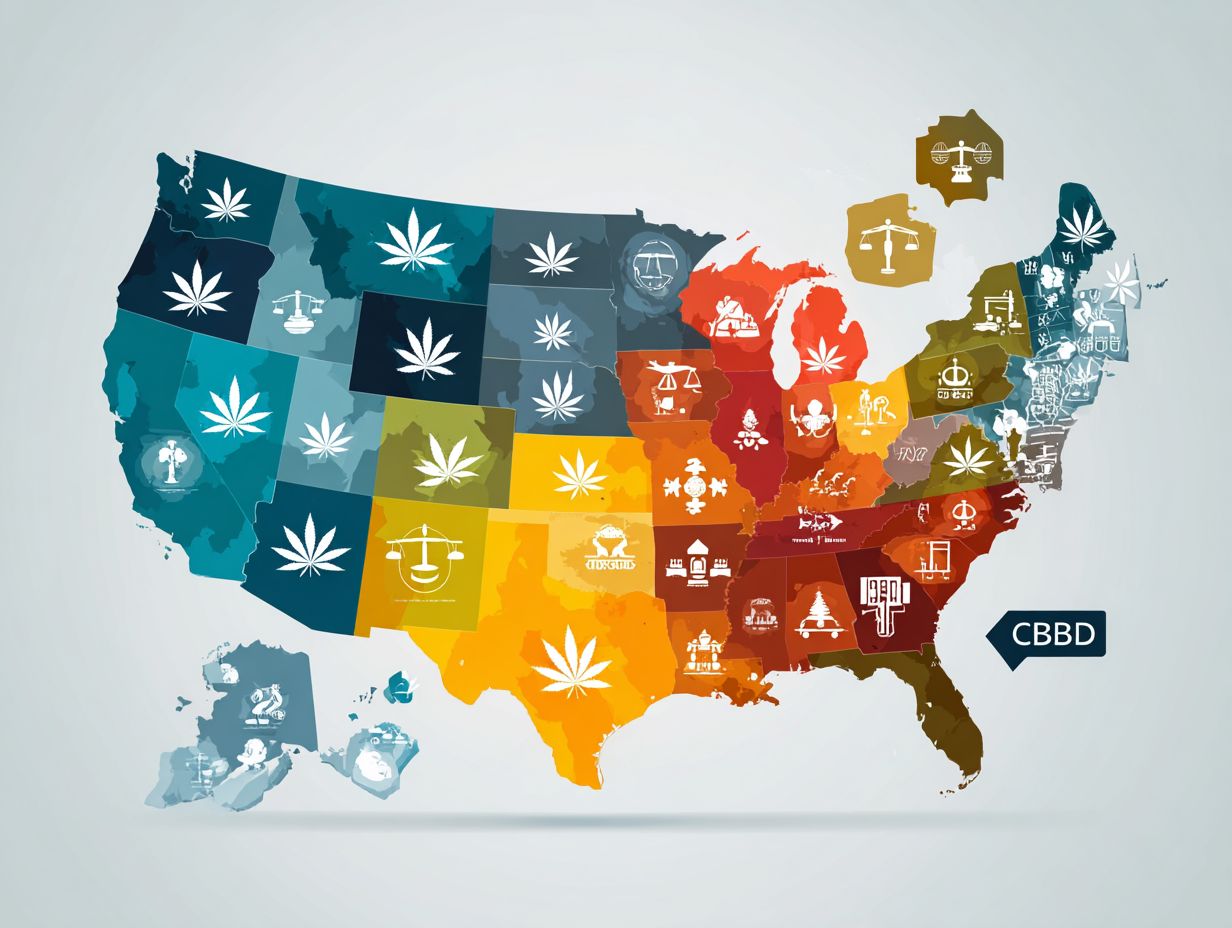
CBD, or cannabidiol, is one of over 100 cannabinoids present in cannabis, primarily extracted from hemp strains containing less than 0.3% THC, thereby rendering it legal in numerous jurisdictions. Its legality hinges on adherence to the 2018 Farm Bill and state-specific laws.
Chemically, CBD possesses a unique structure that facilitates its interaction with the endocannabinoid system. Unlike THC (tetrahydrocannabinol), which is known for its psychoactive effects, CBD promotes homeostasis without inducing intoxication, thus influencing public health and social equity positively. It interacts with CB1 and CB2 receptors, thereby enhancing the body’s natural processes.
Research indicates potential benefits of CBD, including the reduction of anxiety, alleviation of chronic pain, and improvement of sleep quality. When evaluating CBD products, it is advisable to consider the following options:
- Full-spectrum products, which contain a variety of cannabinoids.
- Isolate products, which consist of pure CBD for individuals wishing to avoid any exposure to THC.
Common Uses and Benefits
CBD is widely utilized for various health purposes, including pain relief, anxiety reduction, and the enhancement of sleep quality. Research indicates that approximately 60% of users experience beneficial outcomes.
To effectively incorporate CBD into one’s regimen, it is advisable to select a reputable product, such as tinctures or gummies. For anxiety management, studies recommend a dosage ranging from 300mg to 600mg for optimal results. Users have reported that administering CBD 30 minutes prior to a stressful event, such as public speaking, significantly alleviates anxiety levels.
For improving sleep quality, it is beneficial to establish a nightly routine that includes the use of CBD oil, with a suggested dosage of around 25mg. Maintaining this consistency, along with implementing lifestyle adjustments such as reducing screen time before bedtime, can enhance the overall effectiveness of CBD in promoting restful sleep.
Historical Context
The legal and cultural history of cannabis, specifically cannabidiol (CBD), is characterized by substantial transformations that mirror evolving societal attitudes and regulatory frameworks.
Early Uses of Cannabis
Cannabis has a long-standing history of utilization for medicinal, recreational, and industrial purposes, with evidence tracing back thousands of years.
In ancient China, around 2700 BCE, Emperor Shen Nong documented cannabis in medicinal texts, highlighting its analgesic properties. Additionally, the Egyptians employed cannabis to treat a variety of ailments, as evidenced by artifacts found in tombs dating back to approximately 1500 BCE.
In India, cannabis was incorporated into Ayurvedic medicine, particularly for its calming effects, as early as 1000 BCE. These historical examples demonstrate how various cultures acknowledged and utilized the therapeutic value of cannabis, thereby establishing a foundation for its contemporary applications.
Legislative Milestones
Key legislative milestones, such as the 2018 Farm Bill, have profoundly influenced the current legal framework surrounding CBD and hemp-derived products in the United States. The 2018 Farm Bill legalized hemp cultivation, marking a pivotal moment for the CBD industry.
In the wake of this legislation, various states, including Colorado and California, initiated regulatory reforms, establishing comprehensive frameworks by 2020, considering factors like consumer rights, taxation, and advocacy. In 2021, the Food and Drug Administration (FDA) began to evaluate potential additional regulations for CBD, particularly concerning labeling practices and health claims.
Prominent figures in these developments include Senator Mitch McConnell, who advocated for the Farm Bill, as well as FDA officials who have emphasized the need for clearer guidelines. For businesses operating in this sector, maintaining compliance necessitates a diligent review of local regulations and close monitoring of federal updates, as this regulatory landscape continues to evolve rapidly.
Current Legal Framework
The existing legal framework governing CBD comprises a complex interplay of federal and state laws, which can differ substantially across the United States.
Federal Regulations
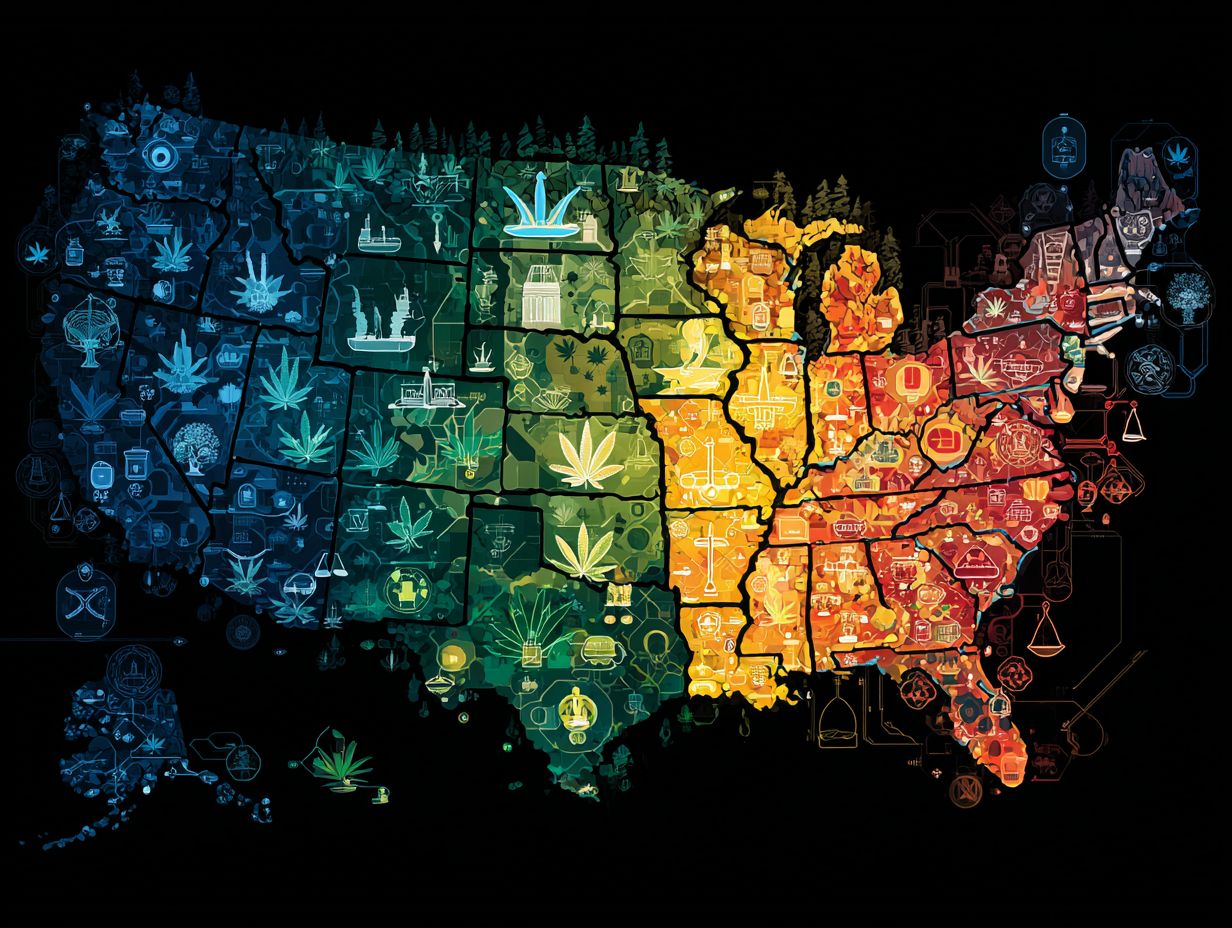
At the federal level, the FDA regulates CBD as a food supplement and has established guidelines concerning its safety and efficacy in various products. Manufacturers are required to ensure that their products comply with these guidelines, which include comprehensive testing for contaminants and accurate labeling of CBD content.
For example, products must not make unverified health claims, and the CBD concentration must align with the specifications indicated on the label. The FDA also closely examines marketing practices to prevent any misleading representations to consumers, ensuring that marketing restrictions and product labeling are compliant with industry standards.
To enhance product quality and safety, companies should engage third-party testing laboratories, such as ProVerde Laboratories, to validate their claims. Adhering to these practices not only protects against regulatory actions but also cultivates consumer trust, ultimately promoting brand loyalty.
State Laws Overview
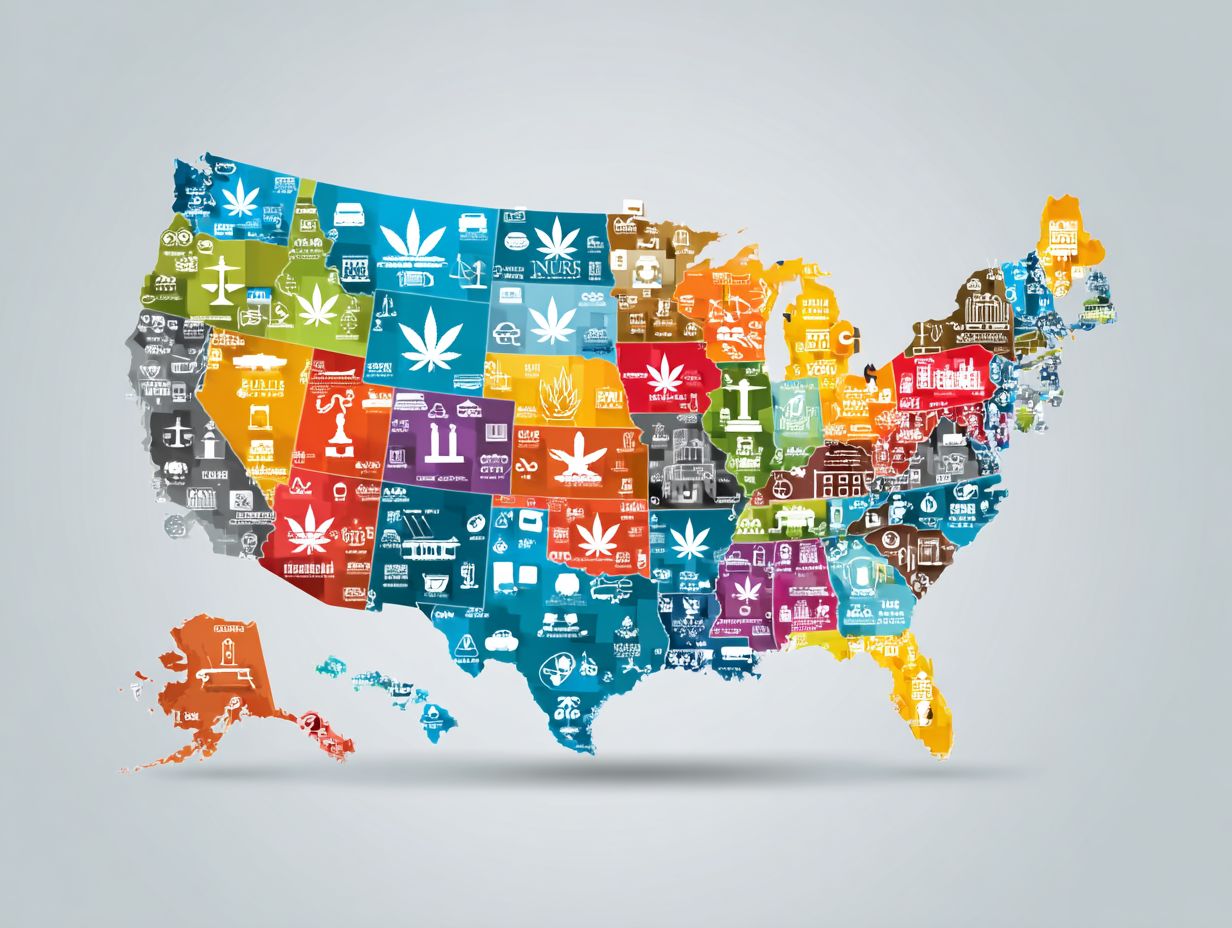
State laws regarding CBD exhibit significant variation, with each of the 50 states enforcing distinct regulations that impact production, sale, and consumption.
For example, states such as Colorado and California have adopted a more favorable stance toward CBD, instituting relaxed regulations that foster a thriving market.
In contrast, states like Idaho and Nebraska uphold stricter laws, resulting in limited access and use of CBD products.
For individuals seeking current information on these legal discrepancies, the National Conference of State Legislatures (NCSL) offers comprehensive resources. Their platform features interactive maps and databases that clearly delineate the status of CBD legislation across all states, thereby assisting consumers and businesses in navigating this continually evolving regulatory landscape.
Regulatory Agencies and Their Roles
Numerous regulatory agencies are responsible for overseeing the production, sale, and marketing of CBD, each possessing specific roles and requirements that significantly influence the industry.
FDA’s Stance on CBD
The FDA’s position on CBD encompasses rigorous guidelines concerning product safety, labeling, and marketing claims to safeguard consumer interests.
Specifically, CBD manufacturers are required to comply with safety standards that ensure their products are free from harmful contaminants, including pesticides and heavy metals. Regarding labeling, products must accurately reflect their contents, including the quantity of CBD and any additional ingredients. Recent discussions have underscored the necessity for more comprehensive regulations, particularly emphasizing the need for clinical evidence to support health claims.
In 2023, the FDA convened hearings to solicit input on these matters, indicating the possibility of forthcoming regulatory changes that may impact the marketing and sale of CBD products.
USDA and Hemp Production
The United States Department of Agriculture (USDA) oversees the regulation of hemp production by providing comprehensive guidelines for growers to ensure adherence to federal standards concerning THC levels and crop management.
These guidelines specify that hemp must contain less than 0.3% THC to be classified as a legal crop. Additionally, growers are required to submit a detailed plan that encompasses seed sourcing, cultivation practices, and post-harvest handling processes.
For example, utilizing certified seeds can significantly reduce the risk of exceeding THC thresholds. It is essential for growers to comply with state regulations, as certain states may enforce stricter requirements.
These regulations have a profound impact on the CBD market; inconsistent quality can result in legal challenges, litigation, and consumer distrust, which, in turn, can adversely affect sales and impede market growth.
Challenges and Controversies
Despite its widespread popularity, the CBD market encounters various challenges and controversies, such as enforcement issues and misinformation, that may hinder its growth and affect consumer trust.
Quality Control Issues
Quality control presents a significant challenge within the CBD industry, with concerns such as inconsistent potency and contamination posing risks to consumer safety and health benefits. Noteworthy incidents, including the 2020 recall of a well-known CBD oil brand due to undisclosed THC levels, underscore these potential dangers.
Manufacturers are encouraged to adopt advanced testing methods, such as third-party laboratory analysis, to ensure both product consistency and safety. The implementation of quality management systems, such as ISO 9001, can assist in standardizing procedures and preventing defects.
Furthermore, conducting regular audits and providing employee training on best practices can enhance product integrity. These measures ultimately foster consumer trust and mitigate the likelihood of product recalls.
Misleading Marketing Practices
Misleading marketing practices within the CBD sector, such as improper distribution channels and lack of quality assurance, can lead to consumer confusion and mistrust, ultimately affecting the overall credibility of the industry. Common issues include inflated health claims, such as assertions of curing chronic illnesses without scientific evidence, as well as ambiguous sourcing descriptions that leave consumers uncertain about product safety.
To uphold integrity, brands should adhere to best practices, which include providing clear and verifiable information regarding source materials, extraction methods, and refraining from making unsupported health claims. The utilization of third-party lab testing results and transparent ingredient lists can significantly enhance consumer trust, while explicit disclaimers about potential effects can help establish accurate expectations.
By adhering to these guidelines, companies can bolster their credibility and foster strong, loyal relationships with their customers.
Future of CBD Legislation and Licensing
The future of CBD legislation is expected to evolve in response to shifting public opinion and emerging market trends that influence consumer demand and product types such as edibles, topicals, and oils.
Potential Changes on the Horizon and Economic Impact
Proposed amendments to legislation concerning CBD may involve the implementation of stricter regulations on marketing practices, branding, and the establishment of clearer labeling requirements to safeguard consumer interests.
These modifications could necessitate that manufacturers provide comprehensive ingredient lists and specify THC content in a more transparent manner, addressing environmental impact, thereby ensuring that consumers are adequately informed. For instance, the FDA may require that all CBD products undergo independent third-party testing, thereby enhancing safety and quality control standards.
Furthermore, marketing practices may be subject to limitations regarding health claims, which would curtail misleading statements that imply therapeutic effects and side effects not substantiated by scientific research. Companies will need to adapt to these emerging regulations by updating packaging and revising advertising strategies, which is likely to result in additional compliance costs.
Impact of Public Opinion
Public opinion exerts a significant influence on the legislative landscape pertaining to CBD, affecting policymakers and shaping market trends, including international laws and trade regulations. Recent surveys indicate that over 60% of consumers hold a positive view of CBD, with considerable support for its therapeutic benefits.
This evolving perception is encouraging local governments to contemplate more lenient regulatory measures and reduce stigma associated with CBD.
For example, states such as Colorado and California have already established frameworks to facilitate the growth and sale of CBD products, focusing on sustainable practices and community impact. Moreover, tools such as surveys and focus groups can assist businesses in assessing consumer attitudes and adjusting their strategies accordingly.
As public support continues to rise, one can anticipate an increase in both legislative initiatives and market opportunities.
Key Takeaways
The evolution of the CBD market is characterized by a combination of opportunities and challenges, including legal issues and potential court cases, underscoring the necessity for well-considered choices among both consumers and businesses.
To navigate this market effectively, the following essential takeaways should be considered:
- Prioritize legal compliance by staying informed about local and federal regulations, which may vary significantly.
- Emphasize consumer safety by sourcing products that have undergone third-party testing for purity, potency, and terpenes content.
- Engage in continuous education regarding new research, pharmacology, and emerging trends to maintain a competitive edge.
Additionally, fostering transparency in labeling is crucial for building consumer trust. By implementing these strategies, businesses can position themselves more effectively within this rapidly evolving industry.
Frequently Asked Questions
What is CBD and why is it gaining popularity?
CBD, short for cannabidiol, is a compound found in the cannabis plant. Unlike its cousin THC, it does not produce psychoactive effects, making it a popular choice for medical use, wellness, and recreational use purposes.
Is CBD legal in the United States?
The legal landscape of CBD in the U.S. can be quite complex. The 2018 Farm Bill legalized the production and sale of hemp-derived CBD with less than 0.3% THC, but state laws vary and can restrict its use in certain products or for certain purposes.
Can I travel with CBD products?
While CBD derived from hemp is legal under federal law, it is still illegal under some state laws. This means that traveling with CBD products can be risky and it’s important to research the laws of your destination before packing any CBD products.
What is the FDA’s stance on CBD?
The FDA has approved one CBD-based medication, Epidiolex, for the treatment of seizures associated with two rare forms of epilepsy, highlighting its potential therapeutic effects.
However, the FDA has not approved CBD for any other use, including as a dietary supplement or in food or beverages.
Are there any potential legal risks for using CBD?
Yes, there are potential legal risks associated with using CBD, including penalties and criminalization in certain jurisdictions.
As mentioned, state laws vary and can restrict its use. Additionally, the FDA has issued warning letters to companies making false or unsubstantiated claims about their CBD products, so it’s important to do your research and purchase from reputable sources.
Will the legal landscape of CBD in the U.S. continue to change?
As with any emerging industry, the legal landscape of CBD in the U.S. is constantly evolving, influenced by the DEA and 2018 Farm Bill regulations.
It’s important to stay informed about federal and state laws and regulations, as well as any updates from the FDA. Consulting with a lawyer who specializes in cannabis law can also be helpful in navigating this complex landscape.
- 30-Day CBD & Back Care Journal: Track Pain and Sleep

Navigating the complexities of back pain can feel overwhelming, especially when seeking effective back pain relief through alternative medicine. The 30-Day CBD & Back Care Journal offers a structured approach to understanding your pain, sleep quality, daily functioning, and any side effects from CBD use, promoting self-discovery and wellness. By meticulously tracking these aspects, you can gain valuable insights into your condition, experiencing enhanced quality of life, and understanding the potential benefits of CBD. Delve into the essential components of setting up your journal, assessing daily pain levels, and identifying trends that will guide your wellness journey, emphasizing therapeutic journaling.
Understanding CBD and its therapeutic effects

CBD, or cannabidiol, is a non-psychoactive compound derived from hemp extract, recognized for its potential benefits in pain management and anxiety relief, contributing to stress reduction. Recent clinical studies have emphasized CBD’s interaction with the endocannabinoid system, particularly its role in alleviating inflammation and pain.
For example, a 2019 study indicated a 30% reduction in chronic pain symptoms among participants utilizing CBD oil. Additionally, a 2020 trial revealed that CBD significantly enhanced sleep quality and reduced anxiety levels in patients suffering from chronic pain conditions.
To investigate the benefits of CBD, one may consider products such as full-spectrum oils or topical creams, which can offer targeted relief and improve overall wellness. It is advisable to consult with a healthcare provider to ascertain the most appropriate dosage and delivery method tailored to individual needs.
Back Pain Overview
Back pain is a prevalent issue affecting millions of individuals, with approximately 80% of adults experiencing it at some point in their lives. Therefore, understanding the causes and management of back pain is essential.
Common causes of back pain include muscle strain, often resulting from heavy lifting or awkward movements, as well as herniated discs, where the spinal discs bulge and place pressure on nearby nerves. According to the American Chiropractic Association, around 31 million Americans suffer from low back pain at any given time.
It is crucial to monitor symptoms by noting the duration and intensity of the pain, as well as any accompanying symptoms, such as numbness, by utilizing health tracking methods.
Should the pain persist beyond a few weeks or worsen, it is advisable to consult a healthcare professional for a tailored management plan, which may include physical therapy or medication.
Setting Up Your Journal
Establishing a structured journal is essential for systematically tracking CBD usage in relation to back pain symptoms and the various factors associated with them, fostering therapeutic use.
Choosing the Right Format
Consider utilizing a digital journal through tools such as Notion or a physical notebook, depending on your preference and accessibility needs for tracking purposes, enhancing mindfulness practices.
Digital journaling, particularly with applications like Notion, provides remarkable flexibility for health monitoring and reflection. Users can effortlessly create templates, set reminders, and categorize entries for efficient retrieval. For example, with Notion, one can organize reflections by mood or topic, facilitating straightforward analysis.
Conversely, a physical notebook offers a tangible means of connecting with one’s thoughts, thereby enhancing creativity and personal growth.
The sensory experience associated with writing in a physical format can be profoundly personal; however, it may require more time to retrieve previous entries. Ultimately, the choice should be made based on an individual’s need for accessibility versus the desire for personal engagement.
Daily Tracking Essentials
Essential metrics for your health journal should encompass pain levels, sleep quality, and CBD dosage to establish a comprehensive health log, optimizing overall health.
To effectively monitor these metrics, it is advisable to maintain a daily log that captures specific details:
- Record pain levels using a scale from 1 to 10, noting any triggers or activities that exacerbate discomfort.
- Document sleep quality by categorizing it as good, fair, or poor, while also logging the total hours slept.
- Specify the CBD dosage taken, including the amount and the time of administration.
- Include mood indicators, such as feelings of anxiety or relaxation, to provide additional context.
This holistic approach facilitates a deeper understanding of patterns and correlations over time, improving patient outcomes and emotional well-being.
Tracking Pain Levels
Regular monitoring of pain levels on a daily basis offers valuable insights into the efficacy of CBD for managing back pain and assists in identifying underlying patterns, promoting pain coping strategies.
Daily Pain Assessment
Employ a straightforward pain scale ranging from 1 to 10 every morning to evaluate pain intensity, thereby enabling the correlation of any changes with CBD usage, fostering self-assessment.
To improve your daily pain assessments, consider developing a template that includes three sections: the date, your pain level (on a scale of 1-10), and notes.
In the notes section, record any potential triggers such as physical activity or stressors, as well as any relief methods you employed, including CBD dosage, periods of rest, or heat therapy.
This structured approach will not only facilitate the tracking of pain fluctuations over time but also aid in identifying patterns that correlate with your selected relief strategies, thereby promoting proactive management of your pain, encouraging lifestyle changes.
Identifying Triggers

Recognizing specific triggers for back pain, such as certain activities or stressors, is essential for developing effective management strategies, enhancing functionality.
To manage back pain effectively, it is advisable to maintain a journal in which daily activities and corresponding pain levels are recorded. For example, if discomfort arises after extended periods of sitting at a desk, this should be documented along with the duration of the sitting session.
Common triggers include heavy lifting, poor posture, and insufficient movement, affecting physical function. Identifying patterns in these triggers will enable the implementation of preventative strategies, such as:
- Taking frequent breaks
- Utilizing ergonomic furniture
- Adjusting lifting techniques
It is recommended to review journal entries on a weekly basis to adjust activities as necessary, thereby enhancing overall comfort.
Monitoring Sleep Patterns
The quality of sleep is vital for effective recovery, making it imperative to monitor sleep patterns and sleep disturbances in conjunction with your CBD regimen for back pain relief.
Sleep Quality Indicators
It is essential to monitor key indicators of sleep quality, including duration, interruptions, and overall feelings upon waking, in order to assess the impact of CBD.
To effectively log sleep quality, one may create a straightforward template, integrating sleep hygiene practices. This template should include the total hours slept each night, any disturbances such as waking or restless movements, and a subjective quality rating on a scale from 1 to 10.
For instance, a typical entry might be formatted as follows: “Date: 10/1, Hours Slept: 7, Disturbances: 2, Quality Rating: 8.”
Over time, this accumulated data will facilitate the identification of patterns and enable an evaluation of whether CBD is positively influencing sleep quality, enhancing overall wellness. It may also be beneficial to utilize a smartphone application, such as Sleep Cycle, to conveniently track these metrics.
Effects of CBD on Sleep
Research indicates that CBD may enhance sleep quality, with a 2019 survey demonstrating that 66% of users reported improved sleep following its use, reflecting positive user experience. To fully realize the benefits of CBD for sleep, it is crucial to methodically monitor individual responses.
It is advisable to maintain a sleep journal to document sleep patterns, CBD dosages, and relevant variables such as stress levels or caffeine consumption.
For example, one should record the CBD intake in milligrams and note any days on which the dosage was increased. This practice facilitates the identification of trends and effective dosages.
Additionally, individuals may consider utilizing mobile applications designed for sleep tracking. These tools can provide valuable insights into sleep improvements over time, enabling users to optimize their regimen according to their specific needs.
Assessing Functional Movement
Tracking functional movement is essential for understanding the effects of CBD on daily activities and overall physical health, promoting functional improvement.
Daily Activity Log
It is advisable to maintain a daily activity log to systematically record movements, exercises, and physical activities that may impact pain levels.
To begin, consider creating a straightforward table or spreadsheet for tracking daily activities. This log should include columns for the type of activity, duration (measured in minutes), intensity (categorized as low, moderate, or high), and the pain levels experienced afterward, rated on a scale from 1 to 10.
For instance, an entry for a 30-minute walk may be documented as follows: “Walking, 30 minutes, low intensity, pain level 3.”
It is recommended to review this log on a weekly basis to identify patterns and make appropriate adjustments to activities, thereby aiding in the management and potential reduction of pain over time.
Range of Motion Exercises
Incorporate a range of motion exercises into your routine and systematically document their effects on pain levels and mobility to assess progress.
Commence with gentle stretches, such as the cat-cow pose, which enhances spinal flexibility and alleviates tension in the back. Complement this with yoga poses like downward dog, which promotes flexibility in the legs and shoulders.
It is advisable to practice these exercises daily, dedicating a minimum of 15 minutes per session. Utilize a simple journal or a mobile application to record your observations regarding pain levels and mobility improvements over a few weeks.
This data will enable you to adjust your routine as necessary and provide evidence of the effectiveness of your efforts.
Documenting Side Effects

Documenting the side effects of CBD is crucial for comprehensively understanding its overall impact on one’s health journey, particularly in relation to back care.
Common Side Effects of CBD and Symptom Diary
Common side effects of CBD may include fatigue, alterations in appetite, and gastrointestinal issues, underscoring the significance of documenting these experiences in a journal. Individuals might also encounter symptoms such as dry mouth or dizziness.
To effectively monitor one’s reactions, it is advisable to maintain a detailed journal that records the dosage and associated effects at various times throughout the day.
For example, should an individual notice heightened fatigue following a high dosage taken in the evening, it may be prudent to consider reducing the dosage. Utilizing tools such as applications designed for tracking mood and side effects can also prove beneficial.
This method not only facilitates a better understanding of how CBD interacts with one’s body but also supports consultations with healthcare professionals for tailored advice.
Personal Reactions and Progress Tracking
Each individual’s response to CBD can vary significantly; therefore, documenting personal reactions and engaging user feedback is essential for effectively tailoring a pain management strategy and therapy journal.
To begin tracking your experiences, it is advisable to maintain a CBD journal. In this journal, record specific details such as dosage, product type (oils, capsules, edibles), and the time of day the product is consumed.
Additionally, it is important to note your symptoms both before and after use, detailing the severity of pain or anxiety on a scale from 1 to 10. For optimal results, consider experimenting with different strains or formulations, such as full-spectrum versus isolate, and observe how they affect your relief.
This systematic approach enables the identification of which combinations are most effective for addressing your unique needs, incorporating daily habits and pain reduction strategies.
Analyzing Your Data
A comprehensive analysis of data collected over a 30-day period can provide valuable insights into the effectiveness of your CBD and back care strategies.
Monthly Review Process
Allocate time each month to conduct a thorough review of your journal, paying particular attention to changes in pain levels, sleep quality, and overall functionality, contributing to holistic health and relaxation techniques.
During this review, categorize your entries into key areas: pain intensity, sleep patterns, and daily activity levels.
For each category, create a straightforward chart or summary table to monitor changes over time. For example, you may choose to plot your pain levels on a line graph to visualize trends. Employ colored markers to emphasize particularly challenging weeks.
Additionally, consider including coping strategies that proved beneficial during difficult periods. This structured methodology not only highlights significant patterns but also facilitates meaningful discussions regarding your progress with healthcare providers.
Identifying Trends and Patterns
Investigate the correlations between CBD usage, sleep quality, and pain levels to gain a comprehensive understanding of the overall impact on health.
To effectively analyze these correlations, it is advisable to begin by collecting data using a spreadsheet tool such as Google Sheets or Excel.
Track relevant variables including:
- CBD dosage
- Hours of sleep
- Pain levels rated on a scale from 1 to 10 over a span of several weeks, reflecting muscle tension and spinal health
Utilize Excel’s built-in functions to create visual representations of the data, as these graphs can effectively illustrate trends. For example, a line graph may demonstrate how sleep quality improves with increased CBD intake.
Carefully analyze these visualizations to extract actionable insights, such as determining optimal dosages for enhanced sleep quality or reduced pain, thereby informing your CBD regimen.
Adjusting Your CBD Routine
Based on insights gathered from your journal, it is advisable to consider adjusting your CBD dosage or exploring new products to enhance pain relief and improve sleep quality.
- Begin by gradually increasing your dosage. For instance, if you are currently taking 10 mg, you might consider increasing it to 15 mg for one week, while carefully noting any changes in your condition.
Additionally, you may wish to explore various product types, such as full-spectrum oils, which could provide more comprehensive relief due to the entourage effect, or gummies, which serve as a convenient alternative. Brands like Charlotte’s Web and NuLeaf Naturals are known for their trusted options.
Maintaining a detailed record of your responses in your journal will further assist you in refining your approach, ensuring that you identify the optimal balance to meet your individual needs.
Consulting Healthcare Professionals for Mental Health

Engaging with healthcare professionals regarding your findings can yield personalized strategies and ensure safe usage of CBD. To facilitate productive discussions, it is essential to clearly articulate your experiences with CBD, including dosage and any observed effects.
For example, you might express, “I have been using 20mg of CBD oil daily, and I have noticed a significant reduction in anxiety.” Providing this specific information enables your healthcare provider to assess your situation with greater accuracy.
Additionally, consider maintaining a journal to track your symptoms and any changes you experience, as this can serve as a valuable resource during consultations. Always approach the conversation with an open mind and a willingness to discuss alternative treatments or adjustments that may be recommended.
Frequently Asked Questions
What is The 30-Day CBD & Back Care Journal?
The 30-Day CBD & Back Care Journal is a tool to help you track your pain, sleep, function, and any potential side effects of using CBD for back care. It allows you to monitor your progress and make informed decisions about your treatment plan.
How can The 30-Day CBD & Back Care Journal help me?
By keeping a journal, you can gain a better understanding of how CBD affects your body and find the most effective dosage and timing for your individual needs. It also allows you to identify any patterns or triggers for your back pain and make necessary adjustments to your routine.
What information should I record in The 30-Day CBD & Back Care Journal?
Along with tracking your pain levels, sleep quality, and any side effects, it is also helpful to note the specific type and dosage of CBD you are using, as well as any other medications or treatments you are undergoing for your back care, emphasizing patient education and tracking tools.
How long should I use The 30-Day CBD & Back Care Journal for?
The journal is designed to be used for 30 days, but you can continue using it for as long as you find it helpful in managing your back pain and tracking the effects of CBD on your body, promoting CBD benefits and mental clarity.
Is The 30-Day CBD & Back Care Journal only for people with back pain?
No, while the journal is specifically designed for those using CBD for back care, it can also be useful for individuals dealing with other types of chronic pain or sleep issues, as well as those using CBD for symptom management and wellness metrics.
Where can I get a copy of The 30-Day CBD & Back Care Journal?
You can purchase a physical copy of the journal or download a digital version online. It is also helpful to discuss using the journal with your doctor or healthcare provider to ensure it aligns with your treatment plan.